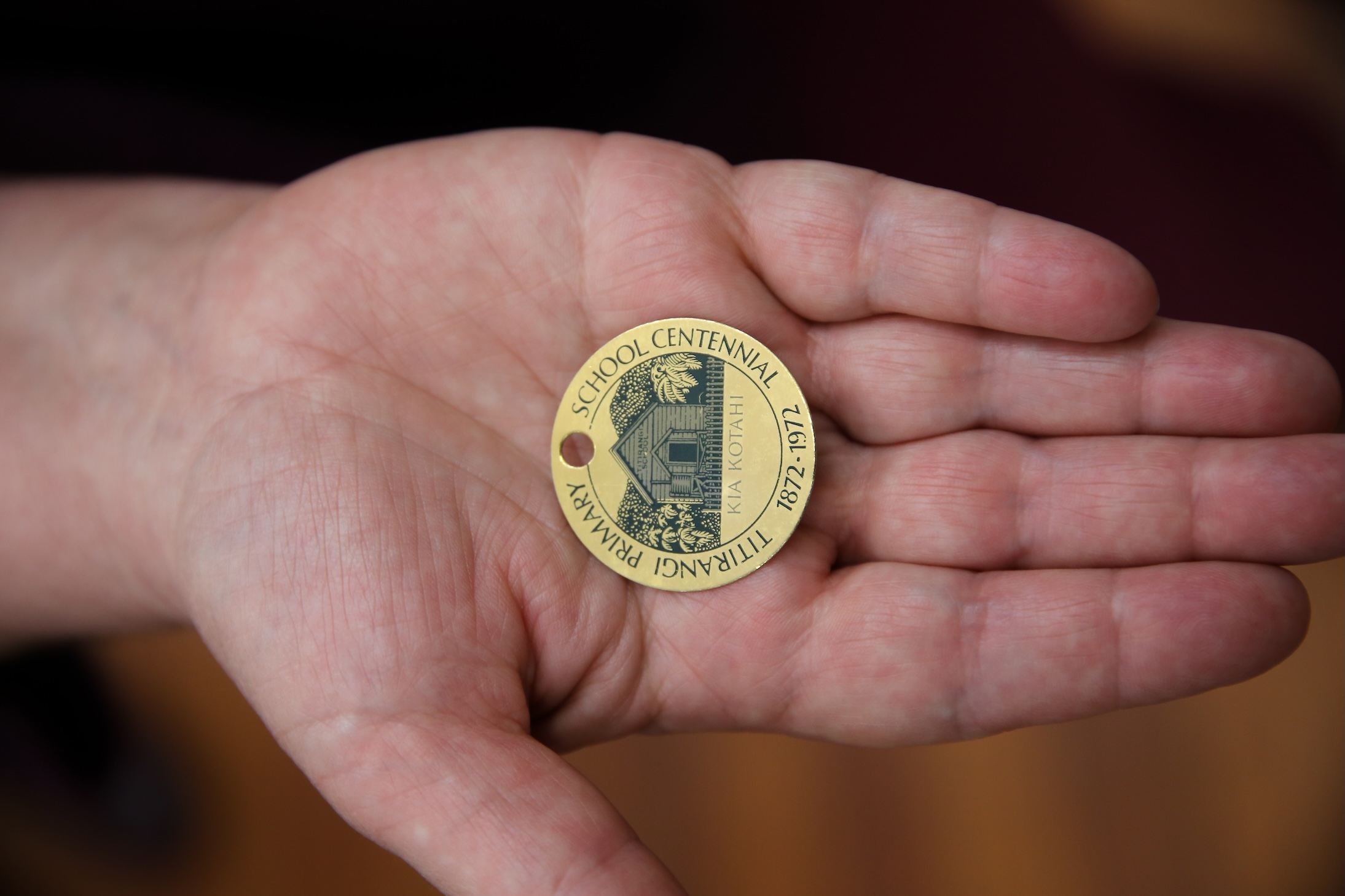

HOMEWORK AT TITIRANGI SCHOOL
Remember after school clubs, sports and hobbies are extremely beneficial to a child's learning and well-being. So is helping with chores and learning about gardening. If home learning is causing anxiety, please let us know so we can work out a plan that will suit and support your child in the best way possible.

YEAR 0/1 HOME LEARNING
In Year 0 and 1, each student has a Home Learning book with a range of activities that you can use to support your child's learning at home. It includes:
YEAR 2 HOME LEARNING
Reading: Each week your child will bring home in their home pack
Spelling: Each week your child will bring home their Homework notebook in their home pack. In the front there will be 5 spelling words from their current high-frequency word list and or writing from that week. They are learning to spell these correctly. Children will practise spelling these words in class daily and at home. On Friday the teacher will check and new words will be given if current words are spelled correctly.
Numeracy: Number Knowledge: Each week, your child will bring home their Homework notebook. In the back, there will be the basic facts focus for the week. Children will practise their basic facts in class and at home. On Friday the teacher will test and a new basic facts focus will be given. Aim for 10-15 minutes and always keep it positive with praise and encouragement.
YEAR 3 HOME LEARNING
Home learning will consist of:
YEAR 4 HOME LEARNING
In Syndicate 4, all classes will receive home learning each week to support students’ learning at school. Home learning is sent home on Monday and should be returned on Friday. Each week, home learning will include:
Home learning is designed to be manageable and meaningful, supporting students to build strong learning habits. Thank you for your support in helping our tamariki develop independence and responsibility in their learning.
YEAR 5/6 HOME LEARNING
All classes in syndicate 5/6 will receive weekly home learning. Which day it goes home is up to individual teachers and will be communicated to parents and caregivers via Hero.
Home learning will consist of:
Aim for around 30-40 minutes a day, depending on your child’s other commitments. This can be 3-4 times a week. Remind students that it's okay if they don't get it right away. Learning takes time and patience.
Titirangi Primary School
221 Atkinson Road
Titirangi
Auckland 0604

Our school uses Hero (Linc-ed), for student management and communications. Let's get started
Copyright © 2026 Titirangi Primary School. All rights reserved. Proudly made and hosted by Punctuate.